
Schmidt
This is Jan Schmidt, on February 25th, 2026, talking with artist Anthony Varalli. What ever made you think you could be an artist?
Varalli
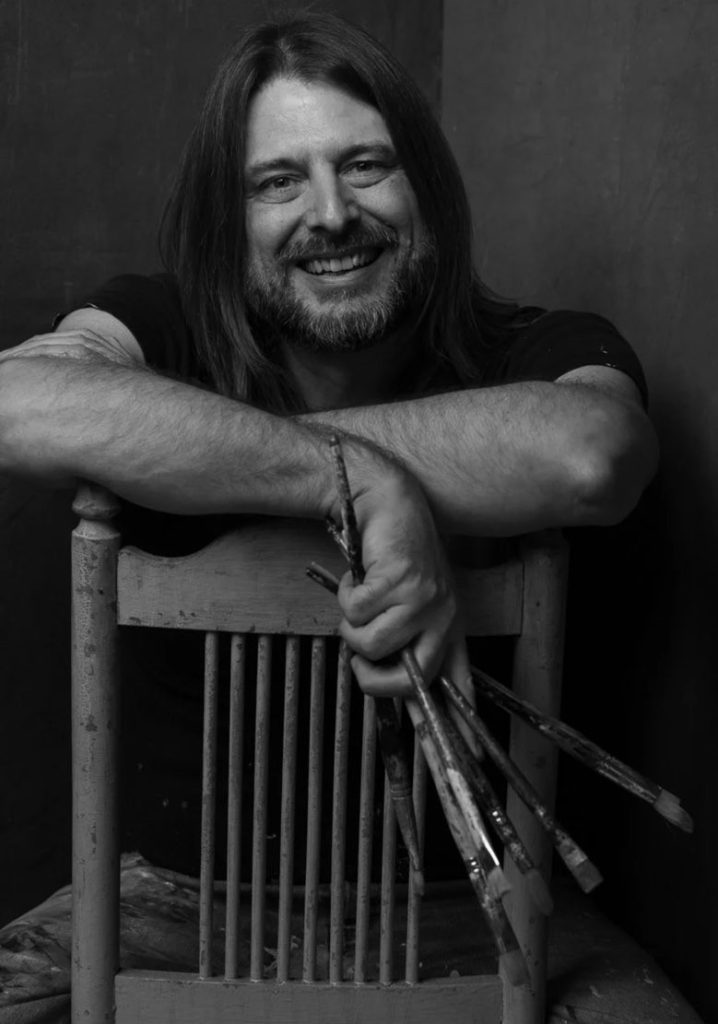
I was born in Philadelphia, the fifth of my father’s kids. When I was five, my father moved us to this little town called Chadds Ford on the Brandywine River and he commuted to work. The area was really rural, very country. I absolutely loved growing up out there. I loved the nature. There were farms, but they were mostly abandoned, so we had old barns and old apple orchards to explore. Now, why did I think I could be an artist? It’s a strange thing to think you can do. However, this little town is where N.C. Wyeth settled. He became a very famous illustrator, and his son, Andrew Wyeth, became Andrew Wyeth the painter that painted Christina’s World, and his son became Jamie Wyeth. A whole constellation of artists in the sixties and the seventies gravitated around the Wyeths. The Wyeths would actually judge our elementary school art shows, and I got stars and stuff. Then they built a museum for the Wyeths. I went to the museum and could go to other artists’ studios and get to know them and see their work. There was a respect for them among the other people in the community.
To me, to be an artist was this magical thing. When I was a little kid, I imagined, “I’ll live on a mountain and I’ll be a painter,” but I never imagined myself with other people. I never had this vision of “I’m going to have a partner and a family.” My vision was me and my art and nature.
When I was thirteen or fourteen, my father’s work moved from Philadelphia to New York. Most of my older siblings were off at college. They decided we were going to move, so at fifteen, going into tenth grade, my mother chose a house in Westport, Connecticut. My father’s career took off, and, suddenly, we had money.
Schmidt
Tell me about your father.
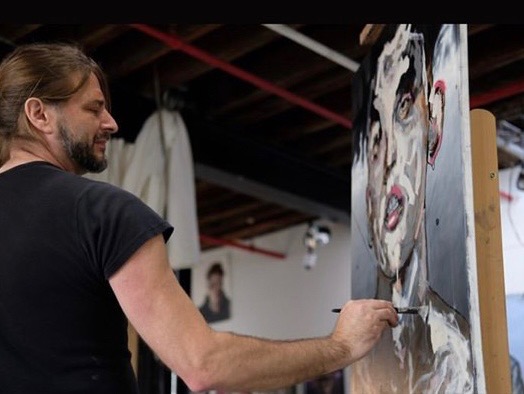
My dad was a businessman. He used to say: “I’m creative. I create money.” He passed away, on January, 13th, just over a month ago. He trained as an economist, and started in the mailroom of the Pennsylvania Railroad. It then merged with New York Central and became Penn Central. He was a mid-level manager when it went bankrupt in the early seventies. There weren’t computers really. He had started in the mailroom and then became a traveling auditor and then became a mid-level executive when they went bankrupt and put in the court-appointed executors to try to figure out what happened. It was one of the largest corporations at the time, and it was the largest bankruptcy ever in the U.S. at that time, because they had consolidated most of the railroads all over the nation into one—
Schmidt
One giant failure?
Varalli
Yeah. The railroads had been blue-chip stocks, a very sure place to put your money. And people lost everything. They were trying to figure out what had happened. When they found my father, they asked him what he knew. He had these big binders, and he said, “This is what happened.” They asked, “What?” He said, “This is why we’re bankrupt.” He knew what the top guys were doing; and he knew what the bottom was doing. They grabbed him, because they had to figure out what was going on. He also had a photographic memory. He became indispensable with the settling of the bankruptcy, the reorganization of the company, and the relaunch of the company. He testified in front of the Senate on it. He helped put together a plan to sell the whole thing to the government.
This is the early seventies. In ’75, I turned ten. But, on my eighth birthday, he couldn’t come home. I saw him on the news, in Washington, testifying. He had his fifteen minutes. He was on the front page of The Wall Street Journal. Anyway, his life changed to somebody important in that world, and they started this big new company, by selling the railroad to the government. They started this conglomerate and reissued the stocks and bonds to everybody that had lost money. It was a big success.
By the time that whole thing got reorganized and the new company was formed, it moved from Philadelphia to New York. He already had been living in New York for a couple of years and coming home on the weekends. I would sneak up with him often and stay in his apartment, and I started to get to know New York.
Moving to Westport, Connecticut at fifteen, was a complete shock. It’s a lovely place, but I had been in a rural community where nobody talked about money. The first kids I ran into asked me, “What does your dad do? Where do you ski? Where do you vacation in the summer? What cars do you have?” I was like: This is rude.
Because I smoked a lot of pot, the next group of kids I found was the stoners. In the countryside, it was free; it was growing all over the place. In Westport there was a downtown with stores, and we never had a downtown or stores. I went downtown with them and we got high behind a dumpster. Then, in the stores, they were shoplifting. I bought a soda or something. They were like, “Oh, cool! You stole that!” I said, “No, I bought it.”
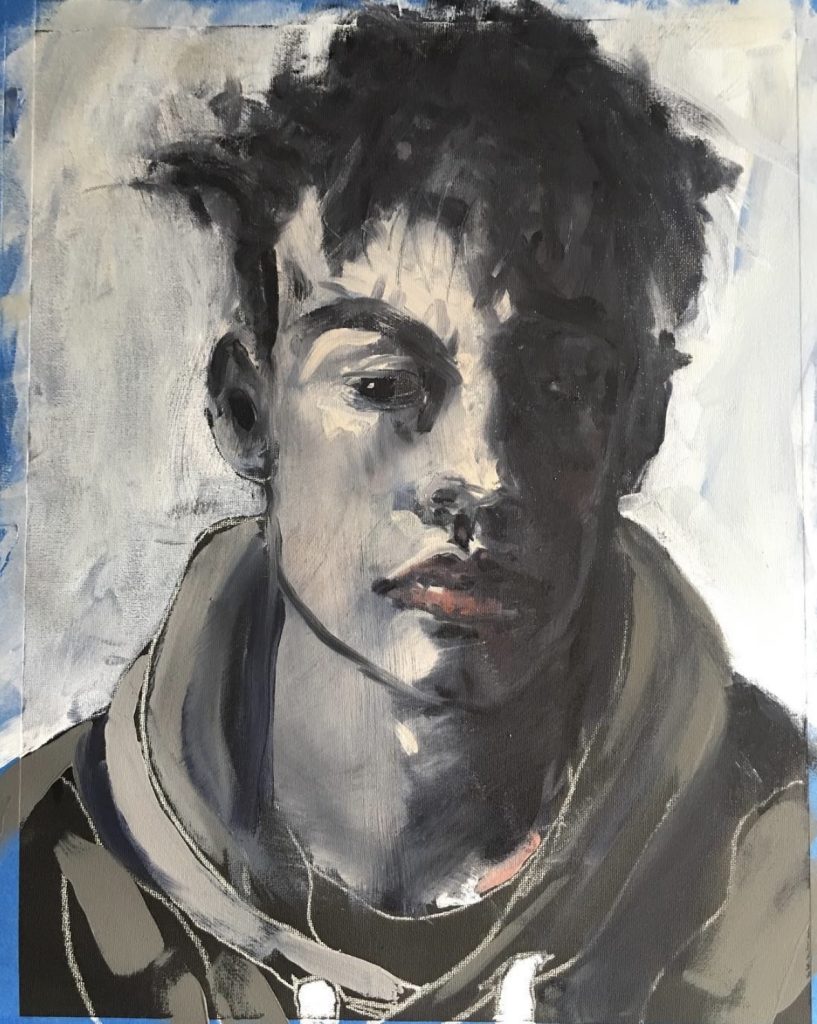
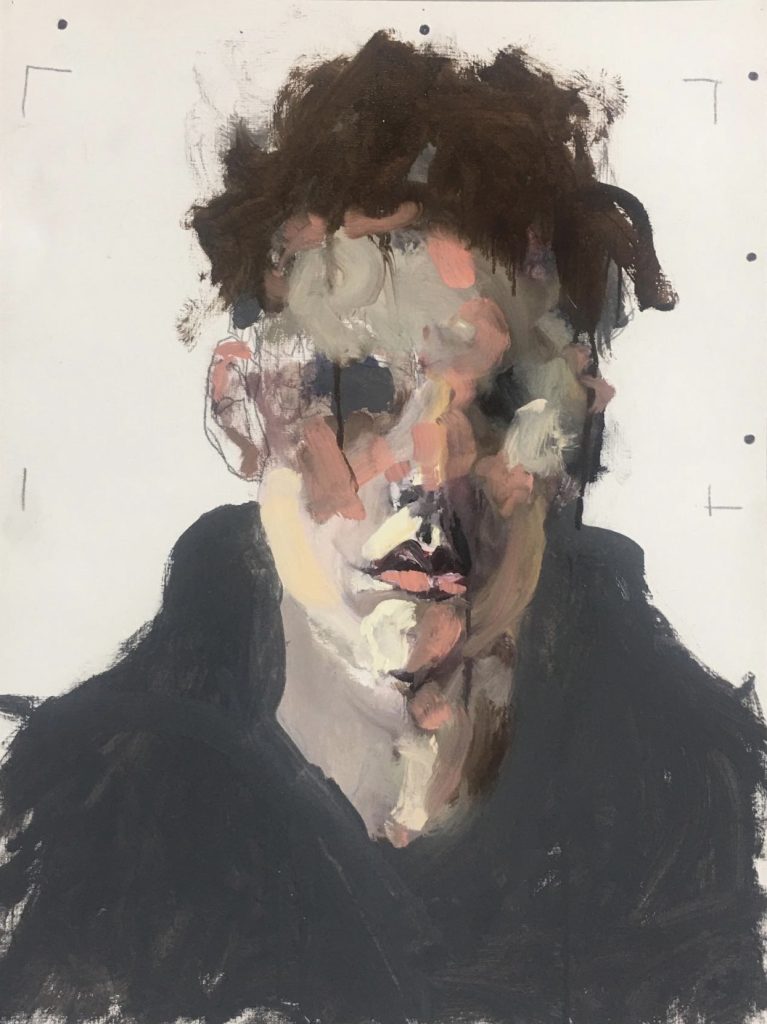
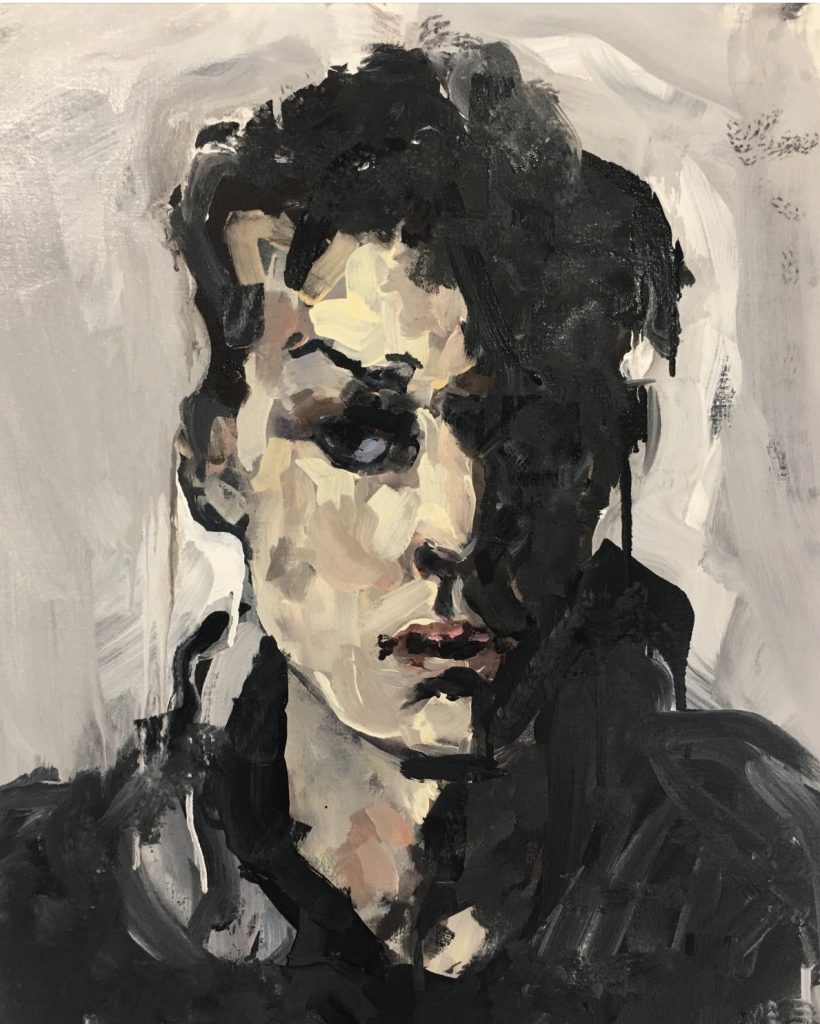
I didn’t find anyone to fit in with; and I retreated into my art. That’s the story: I had no friends. I retreated completely into doing my art. I’m drawing all the time at this point. Charcoal pencils. And I’m copying things out of art books. I’m copying Rembrandt drawings, I’m copying Van Gogh drawings, I’m copying Picasso. I don’t know if you know his neoclassical drawings—they’re these great line drawings. Whatever turned me on, I would copy it. My one older brother who was still in the house found my drawings, and said, “You can’t draw. These are traced drawings.”
I said, “No, they’re not,” and I showed him that the pictures were small and the drawings full size. My father saw my work. He could tell I wasn’t fitting in, that this move was not working out for me. Also I was a young gay person in 1980, in Connecticut, and the AIDS thing was just starting.
Schmidt
You went to Parsons. How did that happen?
Varalli
My sisters had moved into New York to get their first jobs in 1980. I went with them and one of their friends from university when they went to look for apartments. I said, “This is the place you’ve got to rent.” It was a loft in SoHo.
My father was in New York, and he said, “You should apply for a summer program at Parsons.” I did, and I got accepted, and I got to live with my sisters in SoHo—out of the frying pan into the fire. I went from being a country boy to falling in love with New York City, and I was free.
I loved Parsons: life drawing, color theory, two-dimensional design. I met a teacher in Westport who became my mentor, who wrote on the chalkboard the first day of class, “The only question you’re going to be asked in this class, and you’ll probably never answer it and it’ll never be on a test, is ‘Who am I?’” He wrote “Who am I?” on the board. I was amazed. He instilled certain concepts that I carry with me to this day.
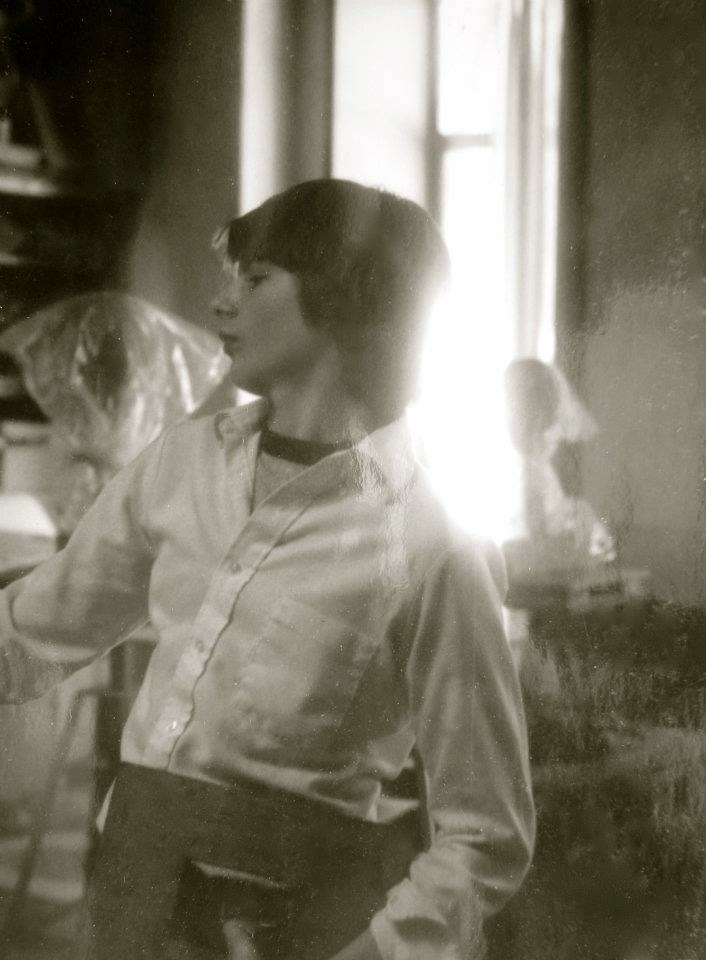
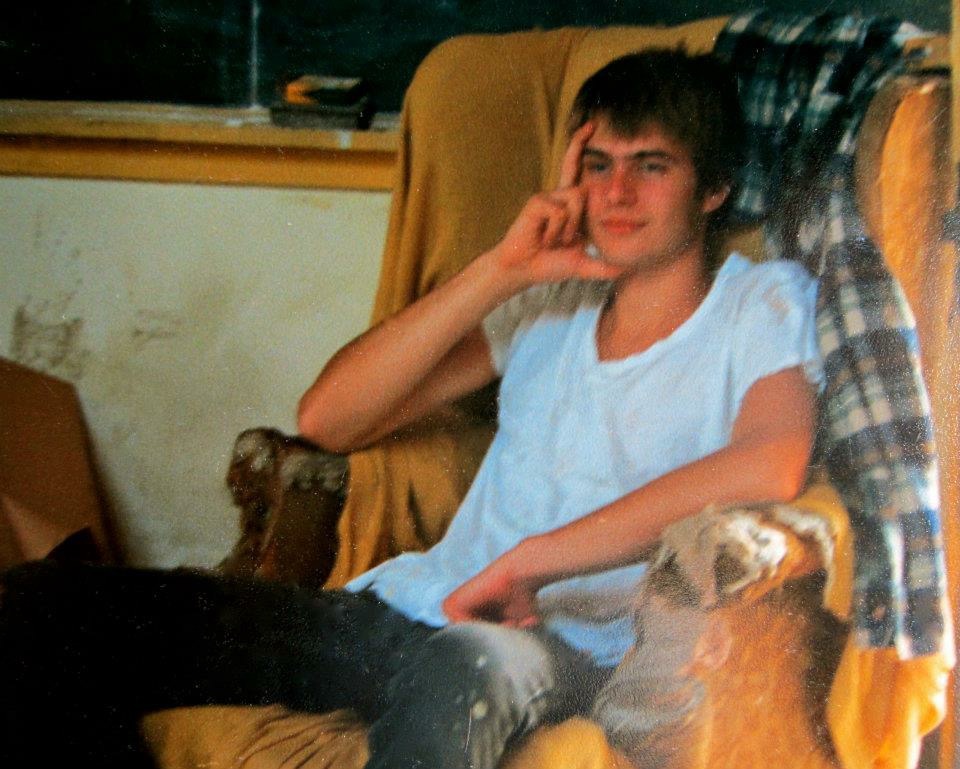
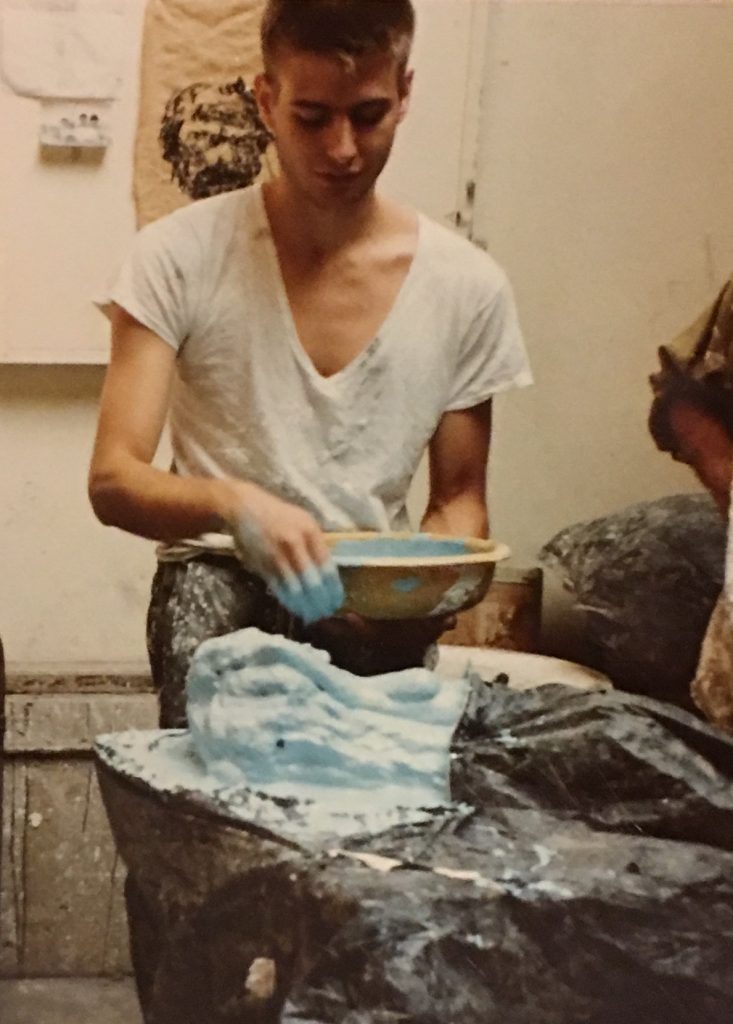
Portrait of the Artist as a young man
I went to Parsons every summer and basically ran away from Westport, Connecticut every chance I had, living with my sisters and it was great. Keith Haring was drawing on the subways and bus shelters. I lived near where some of the first shows were happening. I was peeking in the windows of the galleries as they were setting up and going to the openings. This was another reason why I believed that you could be an artist. I kept having these experiences, so it didn’t seem unrealistic to me. All those stories are to basically put that in perspective.
Then I was smoking a lot of pot. I found marijuana when I was about eleven years old and I was high all the time. I sold my first drawing for a bag of Maui Wowie Hawaiian weed, and I thought that was a great thing. I caught mononucleosis smoking joints with the Vietnam vets in Washington Square Park. I came home one summer and I had sores in my throat and my mother took me to the doctor. He said, “You have strep throat, you have mononucleosis, you have the mumps.” There was no way that I was going to stop going to Parsons and running around the city with my graffiti friends. The doctor was just, “How are you alive?”
Anyway, long story short, I didn’t die. I did study what I wanted to study, and I ended up going to Rhode Island School of Design, which I loved very much, and I quit drinking and doing drugs at eighteen years old, on my own volition, because I realized that I wasn’t going to be able to achieve anything in life unless I stopped. I looked at my older brothers, and what they were doing didn’t look good. I also knew that I was gay, and I couldn’t act like my brothers, I needed to be perfect. So I stopped in my senior year of high school.
About two or three weeks after I’d stopped and school was almost over, my art teacher, who was my mentor, calls me into his office and said, “Anthony, you know, we’ve known each other. We can talk.”
I said, “Yeah, Mr. Wheeler, we can talk about anything.
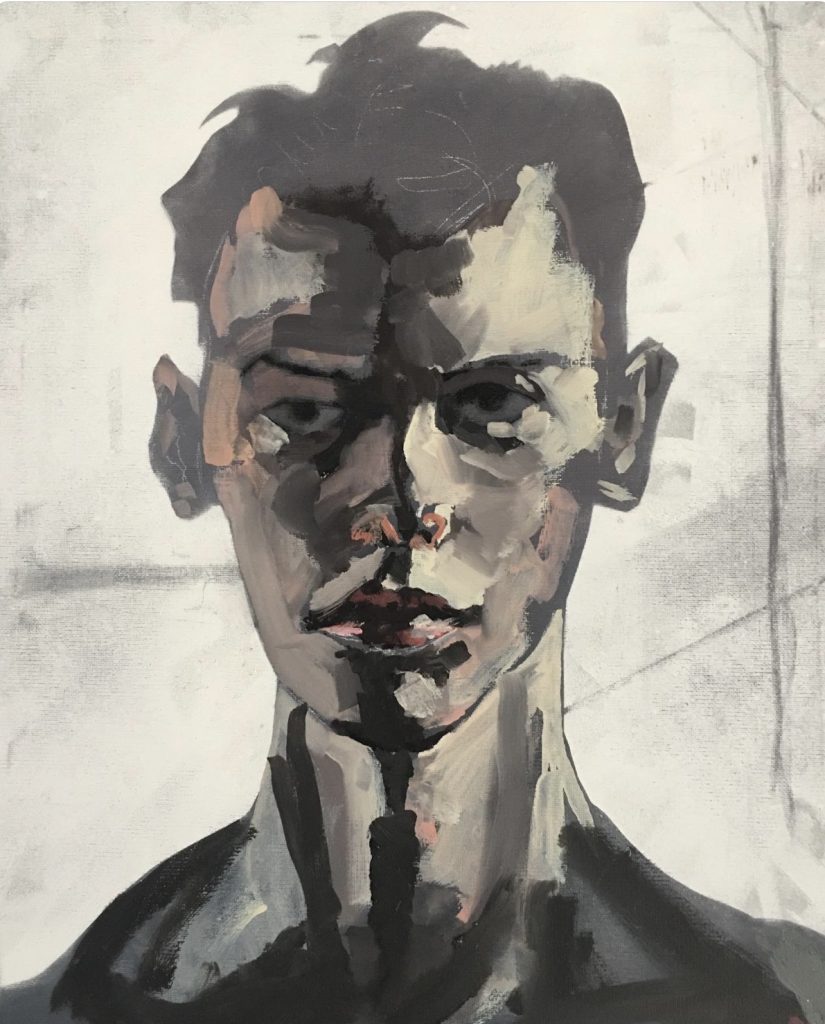
He said, “I’ve noticed a change in the way you’re acting and your attitude. I’m just wondering, are you experimenting with drugs and alcohol? Because this is a radical change.” I started laughing. He goes, “What are you laughing at?”
I said, “Mr. Wheeler, I’ve been getting high since the first day you met me. I get high before school. I get high at lunchtime. I get high when school is over. I’ve been stoned for, let’s see, like seven years. This is me not.”
And he was startled. “What?”
What I didn’t realize until later, not until I was forty-nine, I have attention deficit disorder. I’m dyslexic. And when I started getting high, it wasn’t out of rebellion or anything. It was because my older brother and sisters got me high in the car on the way to junior high school so that I wouldn’t tell anyone that they were getting high. They started back in the sixties, so when I show up in 1976 going to junior high school, they passed the joint to me in the back seat and I smoked it. I went from being a Special Ed kid to being a really good student, because I was able to sit in my seat. Otherwise, I was constantly being told that I won’t stay still, I’m a daydreamer, I’m always looking out the window, and “He’s a very smart kid but he just has no discipline.” And going into school stoned, I was able to sit there serene, and stare at the teacher and absorb it all without being restless. One of my psychiatrists said a lot of boys were treating their ADHD with cigarettes and pot.
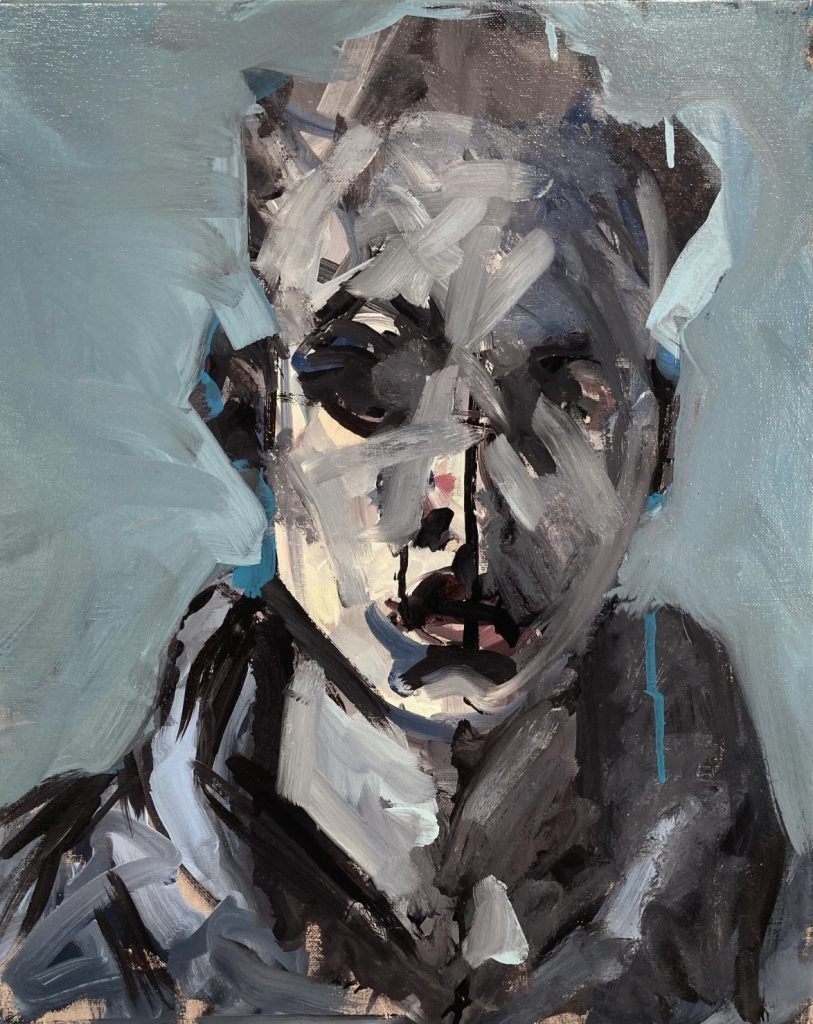
There was an artist Mike Skop, who had studied with a Croatian artist, Ivan Meštrović, a sculptor who’d worked with Rodin. Although his work had fallen out of favor because it was figurative, he was the first living artist to have a retrospective at the Metropolitan Museum in the early fifties. He was one of those people that came over after World War II. The United States absorbed all these intellectuals from Europe during World War II and directly after it, which helped our universities, right? The Bauhaus moved to Chicago. Hans Hofmann set up his studio and most of the Abstract Expressionists worked with him. Einstein ended up at Princeton. We got a lot of great Europeans because of “that guy over there” who caused all those problems in the thirties and forties. Maybe the opposite is happening right now with “our guy” Our intellectuals are running away from the United States. Somebody’s going to benefit from anti-intellectualism.
I worked with Mike Skop and learned a lot. Working in his studio, I got to do mostly my own work. At night I would study philosophy and theology at Xavier University in Ohio. I became restless. Then I discovered Mother Teresa. I saw a film and read a book about her. I’m not religious and I wasn’t religious then, but I thought that she was an amazing artist, that she had had an idea that she believed in, and she took action on it and it became a reality. And I think it’s the same process if you’re a writer, if you’re a painter, if you’re a musician.
Schmidt
Is that how you ended up in India?
Varalli
That’s when I went with my friends, Peater and Christina, to India. I went to volunteer with her Mother Teresa’s organization. Every morning at the Motherhouse in Calcutta, the volunteers gathered for Mass with the Sisters of Charity and Mother Teresa. Afterward we shared a simple breakfast—hard-boiled eggs, white bread, bananas, and tea—before heading out to our assignments for the day.
There, watching the ritual of the Eucharist in the Motherhouse, I had the realization about imagination transforming matter. Each person transformed the host according to their belief, their imagination, their faith. The priest would put the Eucharist in the nuns’ hands, and it would transform. There were some people who had reverence, others had fear. When Mother Teresa took it, it was unbelievable. When she was holding this precious thing, I realized that the host became whatever the person who held it believed it was. The power of the imagination is really what is controlling our lives
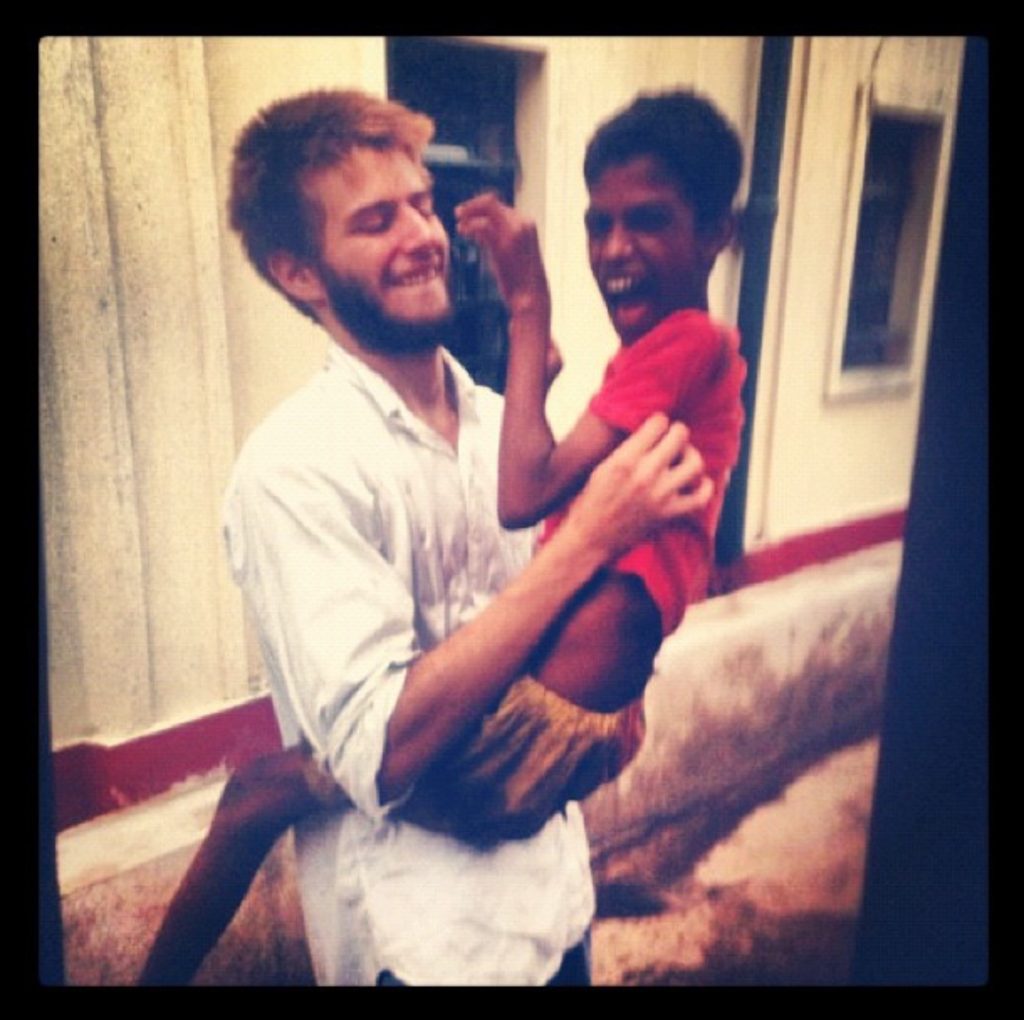
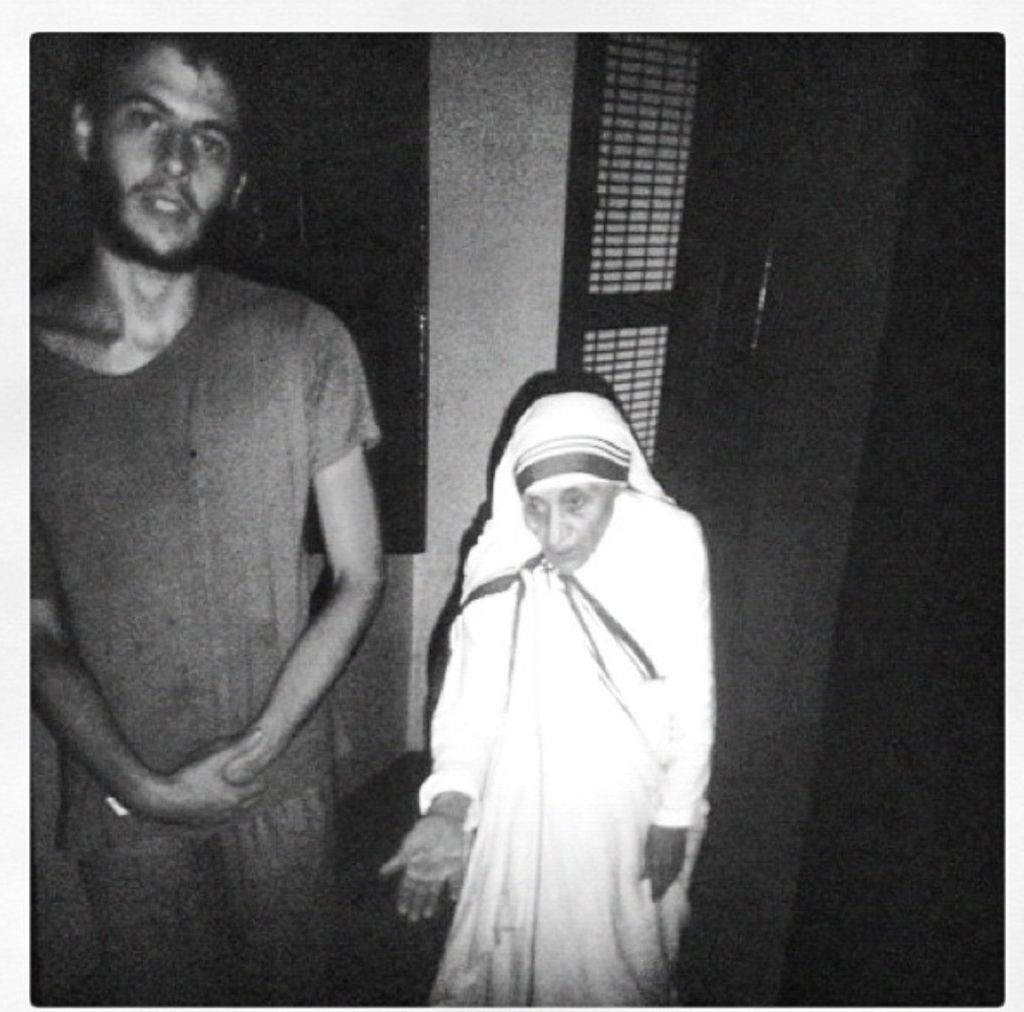
At the same time, I was reading the Bhagavad Gita and writings about St. Francis. One line from the Gita stayed with me: A wise man follows his nature. Another line from St. Francis suggested that it isn’t our job to judge others—and only a truly arrogant person would judge themselves—judging and judgment was not my job. And I thought, “Oh, my God, a wise man follows his nature, and only a truly arrogant person would judge themselves.” I was liberated; God had given me the okay. God was saying, “Be you and do not judge yourself, because I made your nature.”
If a wise person follows his nature, and judging oneself is arrogance, then perhaps the task is to live honestly according to who I am. For me, that meant making art. And suddenly I understood something about art. The material itself—paint, charcoal, clay—like the wafer is neutral. But the imagination of the person touching it transforms it. Art carries the internal state of the person making it. Imagination is the force that transforms matter. That realization has guided my life ever since.
Earlier on, when I was fifteen, I realized that I was gay and what it meant. My mother would drop me off at the Westport Public Library where I did my research, because there was nothing in my world to make me understand what was happening with me. I was very paranoid. At the library I got art books, while I also found where all the gay, homosexual books were located. I’d go through the stacks and pull out the ones I wanted, just enough to stick out. Later, I’d go back with a couple of big art books, and sweep by, grab a couple, put them in between, and then go hide and read. What I went through! I was so scared.
After three days of research, paranoid research, I realized there was nothing wrong with me. Thank God it was that time period, because in 1973, being gay was no longer considered a mental illness. Any earlier and I would have found I had a mental illness. Instead, I found out that the problem was with society, not me. That gave me a lot of comfort and I got the idea that I wasn’t going to live hiding and that I wasn’t alone, though I didn’t know anyone who was gay.
The day I was going to come out to my parents, though that wasn’t even a word I knew. I read The New York Times, and there was an article about a cancer, “gay cancer.” We got the Times and the Wall Street Journal delivered every day. I thought, “They’re going to read this article, and I’m going to tell them that I’m gay, and then they’re going to think I’m going to die. I’ll wait till this blows over.”
Then, of course, it didn’t blow over. It just got bigger and bigger, and I got to hear what people thought about gay people. Before that, they really didn’t talk about it that much. My parents didn’t talk in any negative way, but now society did. People thought it was God taking retribution on “them” for their lifestyle, that they deserved it. It pushed me into the closet. I was in conflict, which is sad, because I was so innocent and so pure about it, and then it got twisted.
Schmidt
What happened when you returned from India?
Varalli
When I came back from India, I was totally free. I applied to NYU film school and got in. I had studied art, art history, theology, philosophy. I learned a lot of technical things about color and sculpture and how to cast and how to build armatures and how to weld. Now I wanted to make films.
Around that time, I fell in love. My boyfriend was into fashion, and I began experimenting with design. He had worked as a model and studied architecture, and I approached clothing like sculpture and fabric like painting. This is ‘89, ‘90, and SoHo was on the map, and we had a loft on Greene Street, which wasn’t that expensive back then. A lot of things were still boarded up down there, but it was becoming super cool.
We organized fashion shows in SoHo art galleries and buyers and journalists showed up. Soho was way downtown and was not a place that the fashion press and buyers would’ve normally showed up. I think they were hoping to discover the next new designers. The funny thing was from my point of view neither of us really knew what we were doing from a business point of view. When buyers asked what colors the garments came in, we said, “Only this color.” They assumed it was artistic conviction. In reality we simply hadn’t thought about producing variations. Despite our inexperience the shows generated attention, and we eventually began designing costumes for film. Some of the work appeared in the film Mo’ Better Blues directed by Spike Lee. Our designs retailed at Barneys, New York and specialty stores all around the country.
That career eventually took me to Europe. That afforded me the opportunity to visit many countries in Europe, China, and Eastern Europe. I spent many years living in Italy working in fashion and textile design. I learned that I had a natural talent predicting trends like color, texture, silhouette a year or two in advance. When I hit my mid-forties, I was really good at predicting trends, like what colors were going to be “in” in a year and a half to two years, and what patterns. Also, since I was fifteen, I read the newspaper. I like to be informed about what’s going on in the world. You put all of that together and you get a feeling of what people will want. Will they want to be soft and cocooned in colors that are soft, or do they want to be armored? Do they want to be functional? Do they want to be showy? You sort of can feel these things. Plus, there’s a cycle, such as paisleys—they come every fifteen to twenty years and then they go away.
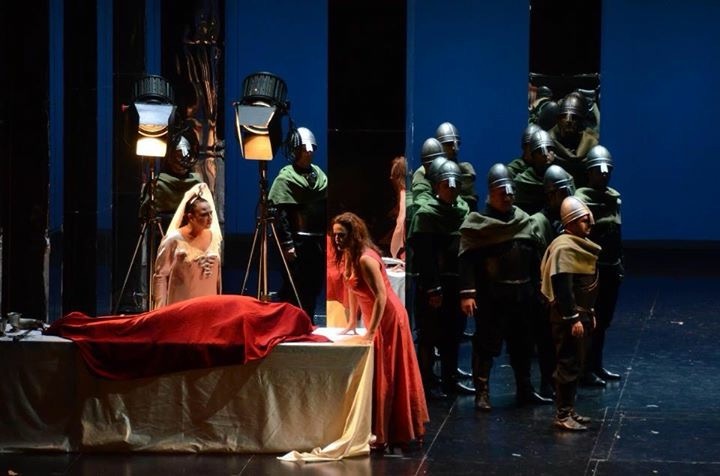
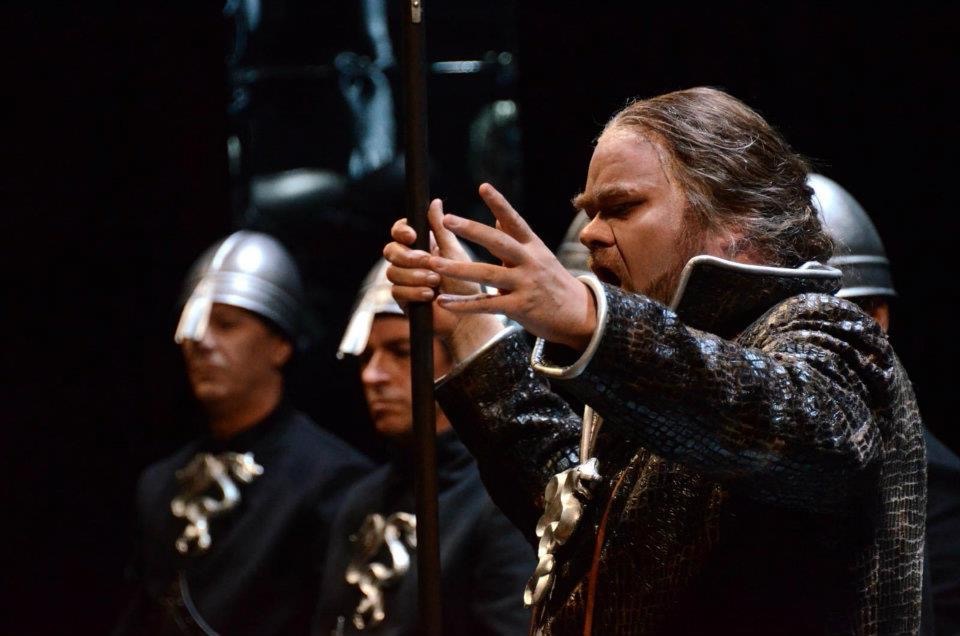
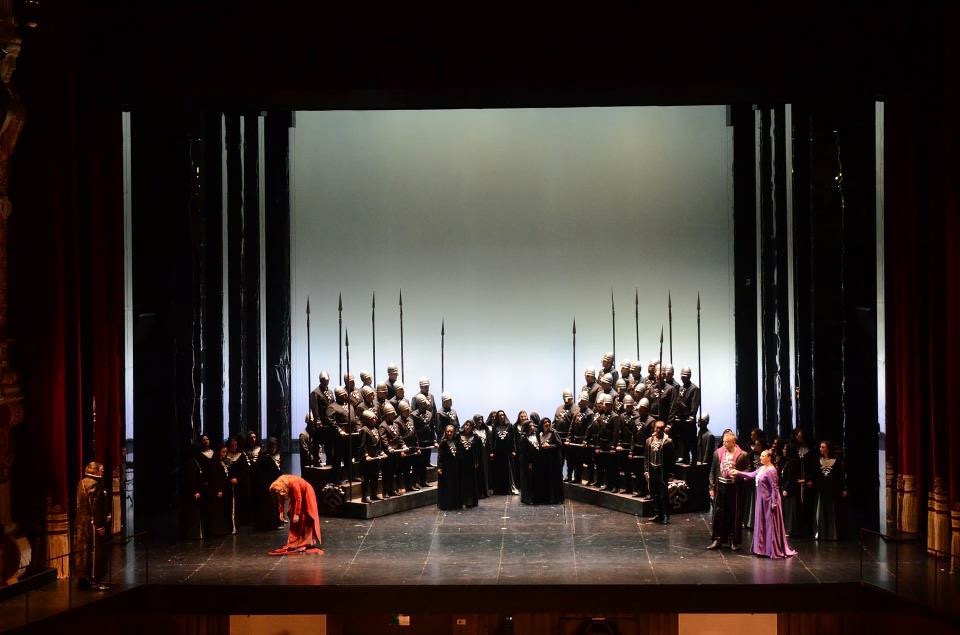
Costumes Anthony Varalli created for Der Ring des Nibelungen (The Ring of the Nibelung)
by Richard Wagner at Teatro Petrocelli Bari, Italy
But at a certain point, I no longer was inspired by this, and, in Italy, we switched to doing costumes for the opera I felt at home in the theater. But after decades in fashion, I began to feel disconnected from what had originally drawn me to art. I didn’t want to do that anymore. I decided not to say yes to any more fashion jobs and I came back to New York. I went back to my real love; I picked up my charcoal and my paints again. That was 2014. I drew eight hours a day, and I decided I was going to draw for the year and not look at what I did. I drew every day and put the drawings away.
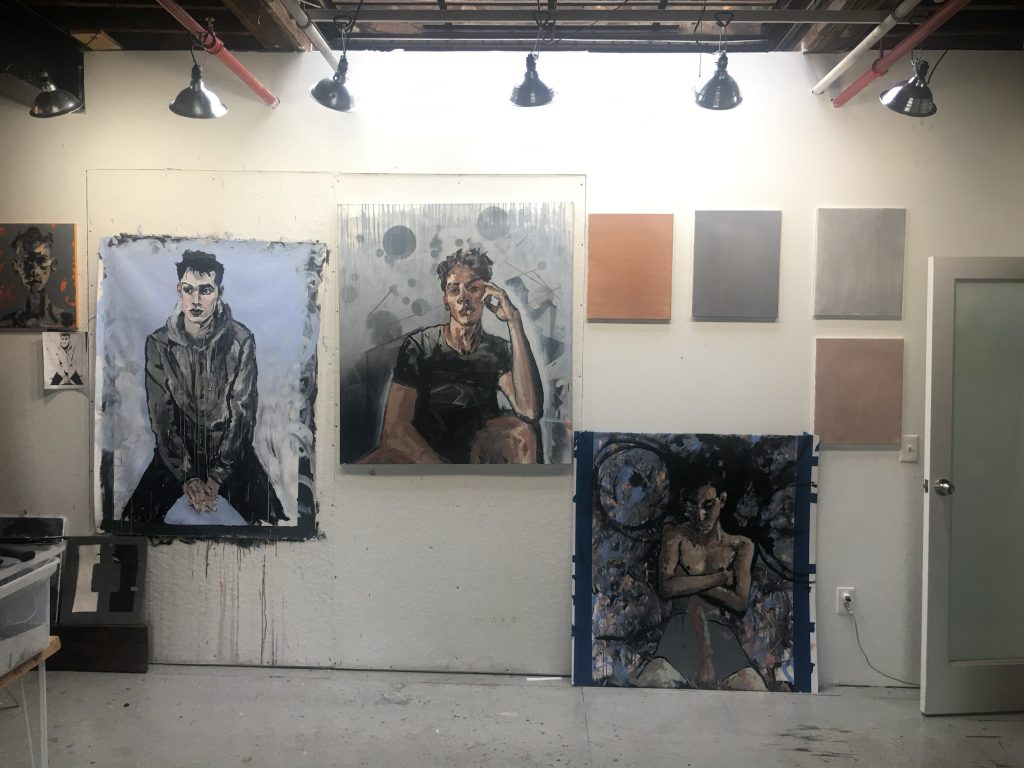
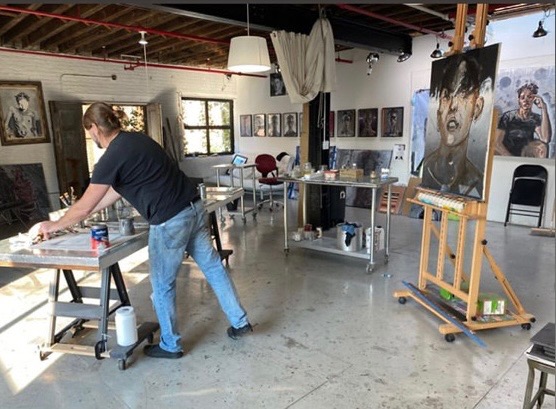
Anthony Varalli Studio, Photos by Matias Jofre
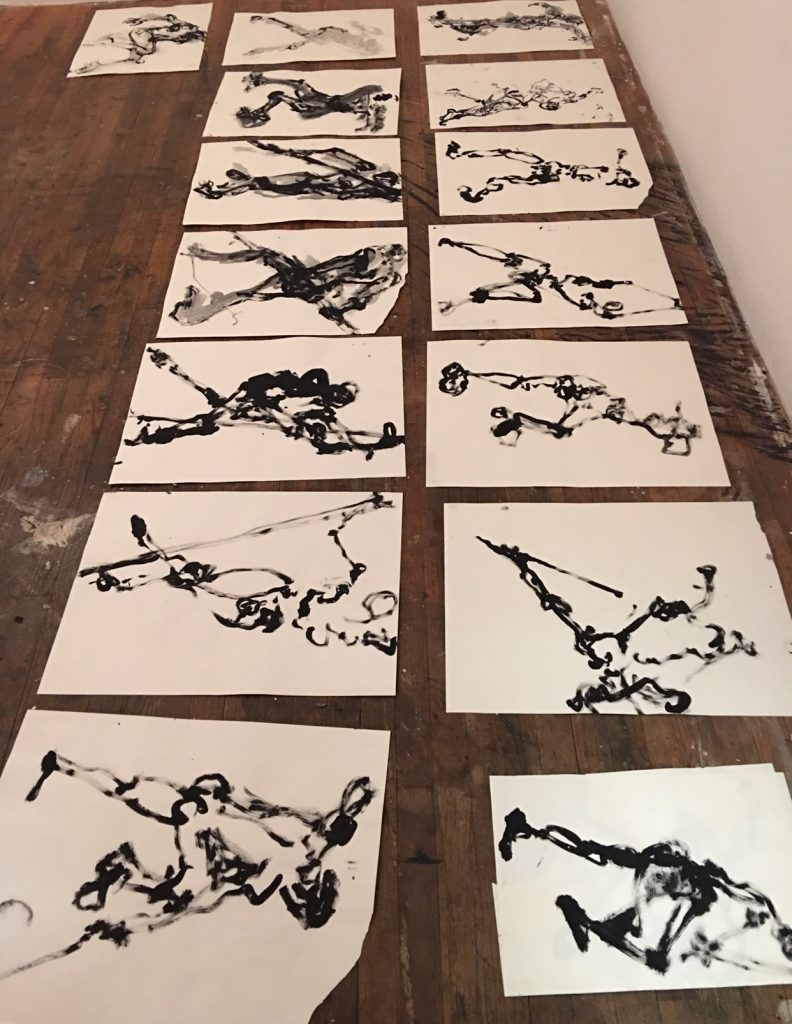
After a year, I looked at the work, and from that, I began to extrapolate my practice. I got my own studio space and began to work. It’s been twelve years that I’ve only been doing that, and I feel amazing. And I’m going to be in a show in Frankfurt, that’s opening on the 28th of March. It will be a four-person show. This show was actually scheduled and then the pandemic hit, and everything got pushed away. At the same time, my family got sick. I was caring for them especially these past two and a half years. After my father passed away, I got the call about the show: “This is now back on the schedule. You want to participate still?”
And I said yes, so on the 25th, I am heading back to Europe.
Schmidt
I know the number of deaths that you have gone through in the last two years. It’s your brother, your mother, your father. Your therapist. Your friend George, and then Lisa Lev, your studio space partner who got very sick. Do you want to talk about that a little bit?
Varalli
It has changed me deeply. For most of my life I had not had to be confronted with illness or death that affected the closest of loved ones. Then suddenly, within two years, everything arrived at once. But strangely it has been liberating.
In witnessing the sicknesses and deaths of my loved ones, caring for and accompanying them, I realized something very simple: everything ends. The good things end and the difficult things end. Everything is in transition; nothing is permanent. That realization removes a lot of fear.
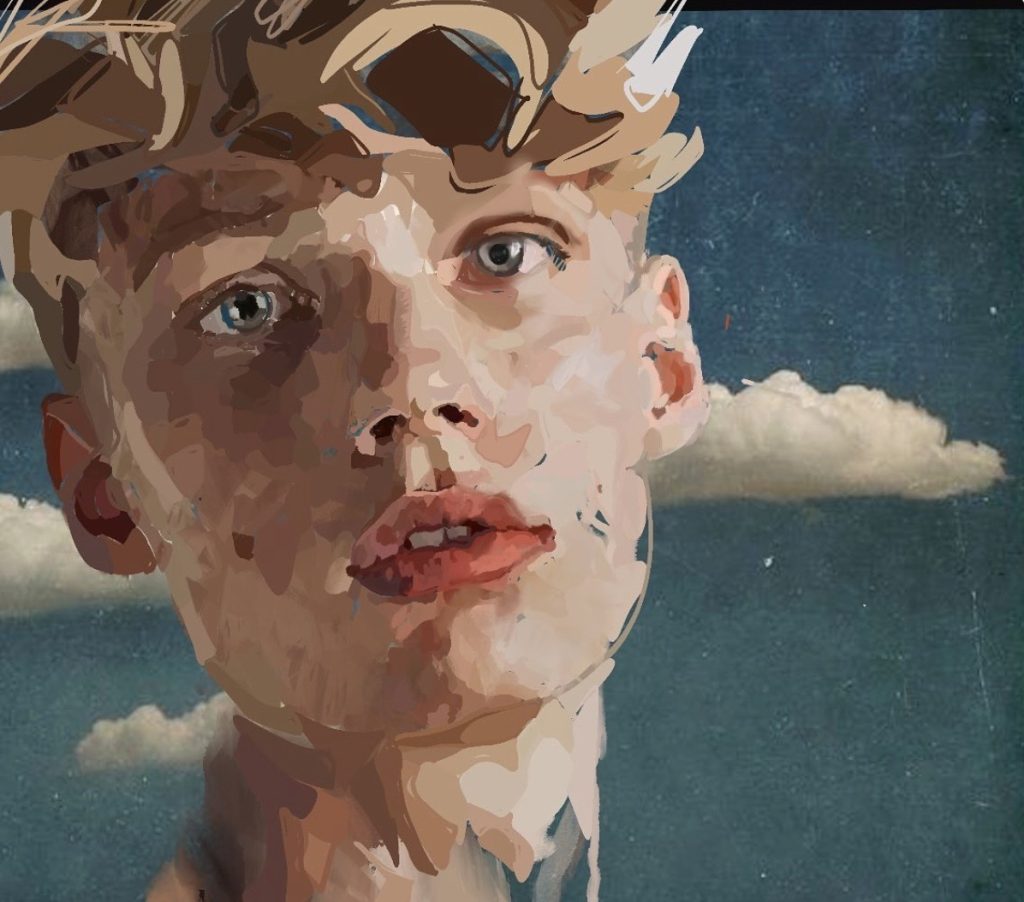

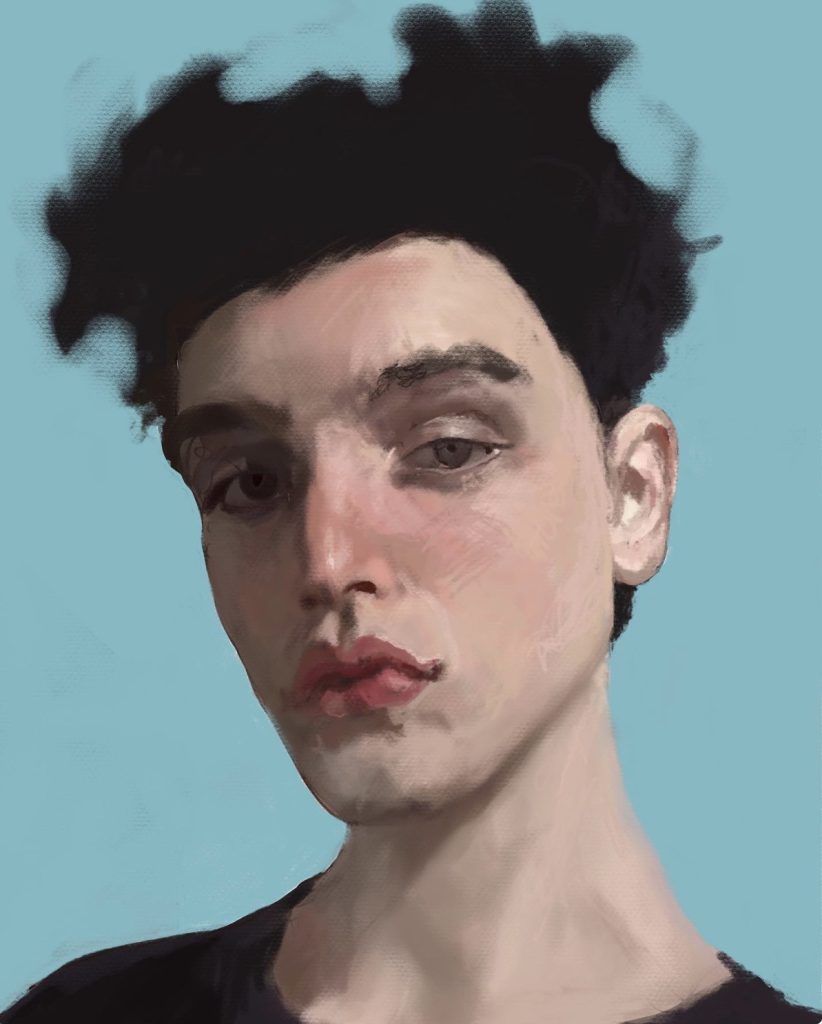
I feel less judgmental toward myself and toward others. It reminds me again of those ideas I encountered in India—to follow one’s nature and not judge. I also realized how privileged my life has been. In India I saw poverty so extreme that people built homes from discarded materials on the street. When I returned to the United States, I saw garbage that would have been treasure there. Experiences like that change your perspective. The recent losses in my life have deepened that perspective. They remind me to be present and grateful.
They also remind me to give everything away. Not in a financial sense, but creatively and emotionally. In my work I shouldn’t hold anything back. In my relationships I shouldn’t hold anything back. In the end we all have to let everything go anyway. So why not give it freely?
When I work, I want to be here in the present with the brush and be open to everything that’s going on around me. I say it’s like dance or music in the sense that you’re in the present, and it’s very meditative to create. My work has a lot of introspection and a lot of exorcism and pain. We’ll see what the next works are like, but I think I feel a sense of playfulness, more so than I’ve ever felt before. Death has led me to playfulness.
At the beginning of my art education a teacher wrote a question on the chalkboard: Who am I? That question was never meant to be answered, yet it continues to guide my work and my life.
* * *