
Translated by Lizzie Fox and Jeannine M. Pitas,
with translators’ notes
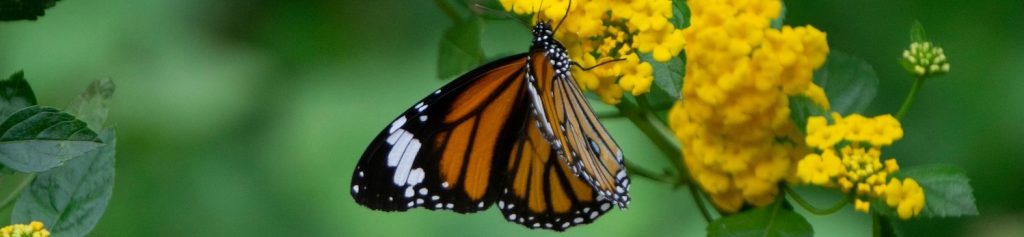
El nuevo orden mundial es una mariposa
arrollada en el parabrisas
El nuevo orden
es un vaso al momento exacto
de su ruptura:
El impacto y la sorpresa,
un flashback en el corazón
de un cuerpo muerto
/agonizante
/vivo
Amor + sangre = Adrenalina
Somos nosotros en subida libre
Yo cayendo sola sobre el siglo
y la realidad:
Un cerdo siendo degollado
un cerdo expuesto en la vitrina
con una manzana en su boca
Y todo ese tipo de cosas parecidas a mí
intentando ser complaciente y noble
a pesar de mis complejos
del asco
del nuevo orden mundial
que es:
A. Esta astilla en mi cabeza.
B. Mi cuerpo cayendo desde el Golden Gate.
o
C. Este sentimiento de mariposa arrollada en
el parabrisas de tu auto.
The New World Order is a Butterfly
Smashed on Your Windshield
The new order
is a glass at the exact moment
it breaks:
The impact and the surprise,
a flashback in the heart
of a dead body
/dying
/alive
Love + blood = Adrenaline
We’re in free climb
Me, falling alone over the century
and reality:
A pig getting its throat slit
a pig in a display case
an apple in her mouth
And everything that looks like me
trying to be pleasant and kind
in spite of my complexes
my disgust
at the new world order
which is:
A. This splinter in my head.
B. My body falling from the Golden Gate Bridge.
or
C. This feeling, a butterfly smashed on
the windshield of your car.

No es una herida
Desorientada
estoy desubicada
en este cuerpo que envejece mudo
y lleno de huesos lastimados
Adentro:
siempre fuego
siempre sangre
siempre ciclo
El círculo: figura perfecta
Cada mes
soy mi sexo taciturno
Me doblo en mí misma
y observo desde adentro
Humedad y resina roja
Hago pactos
Es el tiempo de la luna
Aúlla, aúlla
Escucha, recuerda
la anciana-niña interna
que también eres:
“No es una herida
es una guerra
lo que llevas”
It’s Not a Wound
Disoriented
I’m lost
in this body aging mutely
and packed with aching bones
Inside:
always fire
always blood
always cycling
The circle: a perfect shape
Every month
I am my tight-lipped sex
I fold inside myself
and watch from within
Dampness, red resin
I make pacts
It’s the time of the moon
Howl, howl
Listen, remember
the old woman-child
you are inside:
“It’s not a wound
you’re carrying
it’s a war”
Digo que no
Todo lo logro diciendo que no
Porque me niego a hacer de este cuerpo una catedral
Un museo de arte obsoleto
que ya no comunica
Prefiero los recursos líquidos
que tienden al movimiento:
la sangre, las lágrimas
y todo lo que escurra.
Cargo esta identidad marina
por lo inabarcable
Este horizonte
infinito
y cuando me siento a escribir es extenuante
olas de horas de olas
El cuerpo es un recorrido
Y me negué otra vez a transitar
perfecta y lentamente la norma
entonces, exploro mi cuerpo como arcilla
y me convierto en un pez que me besa
las manos, el vientre y el corazón
Nadie atravesará
de nuevo
esta estructura
Nadie se atreverá a hablar
de los hijos que no cuidarán
del polvo, los platos sucios
las arrugas, el pelo blanco
la flacidez
que traen
el tiempo y la experiencia.
I Say No
Everything I achieve, I achieve saying no
I refuse to make this body a cathedral
a museum of obsolete art
that no longer communicates
I prefer liquid resources
that tend toward movement:
blood, tears,
everything that drips.
I bear this marine identity
through the unfathomable
this infinite
horizon
and when I sit down to write it’s exhausting
hours undulating hours
The body is a path
and I’ve refused to retread
the norm, perfectly, slowly
so I mold my body like clay
and turn into a fish that kisses
my hands, my womb, my heart
No one will brave
this structure
again
No one will dare to speak
of children unless they dust,
wash their dishes,
have wrinkles, white hair,
the sagging
that comes
with time and experience.
Plumas vegetales erizadas
Las plantas me enseñan sobre el misterio
del movimiento oculto de lo vivo
Te escucho respirar dormido
No puedo ser tu paz
lo siento
Estoy a miles de nubes de mi casa
Que no es aquí
Quieres que te ame
y que mi amor sea una trampa
de abrazos y erotismo
En el camino me perdí de lo que definen
como amor que no creo que sea
lo mismo que sexo
que decirte qué hacer o cómo pensar por tu bien
Si quisiera ser una policía
trabajaría con el estado
Si quisiera que me amaras las 24 horas
no podría dormir.
Estoy sintiendo que en el fondo
hay un ruido
un presentimiento
alguien toca mi hombro
volteo
no hay nadie
Alguien toca el timbre de una casa
en la que estoy
y abro
Soy yo misma pidiendo
una orden de registro de las cosas en su sitio
Todo el polvo se acomoda perfecto
sobre la superficie solar de los objetos
Sabes distinguir cuando esas paredes y libros
no son tu casa
Tengo los pies demasiado fríos
hay demasiada humedad
Perdón
si me vuelvo agua
de repente
y luego musgo
para escapar silenciosamente
como liquen eléctrico
como decía
hogar no es sinónimo de casa
Y este cúmulo de nervios
no es caparazón.
Prickly Plant Feathers
Plants teach me the mystery
of life’s hidden movements
I hear you breathing as you sleep
I can’t be your peace
I’m sorry
I’m thousands of clouds away from home
It’s not here
You want me to love you
for my love to be a trap
of embraces and eroticism
On the way I lost sight of what they call
love which I don’t think is
the same as sex
as telling you what to do or
how to think for your own good
If I wanted to be a cop
I’d work for the state
If I wanted you to love me 24 hours a day
I’d never sleep.
I feel a rumble
in the background
a premonition
Someone taps me on the shoulder
I turn around
no one’s there
Someone rings the doorbell
and when I open up
It’s me, holding
a search warrant
All the dust is perfectly arranged
on the sunlike surface of objects
You know when those walls and books
aren’t your home
My feet are too cold
it’s too damp
Sorry
if I turn into water
all of a sudden
and then moss
to escape in silence
like an electric lichen
like I was saying
house is no synonym for home
and this clump of nerves
is no protection.
Note: Prickly plant feathers: Refers to dormilona, also known as the shame plant.
Eje
He bebido de la vida el sigilo mudo con el que la tarde corroe la esperanza de las cosas y aun así, no he encontrado otro camino que desollar mi piel cuando llega la noche y aullar torpemente a otro animal pixelado y eléctrico en el que no encuentro el rostro de la tristeza.
Lamo las heridas de mis costados cada que una promesa llama al teléfono. He pensado seriamente en cancelar mi contacto con el mundo, pero su beso se ha convertido en el único tren que me lleva al centro de mí misma.
Axis
I’ve drunk from life the silent stealth with which the evening erodes hope and still, I’ve found no other way to flay my skin when night falls, to howl clumsily at another pixelated, electric animal in which I see no face of sadness.
I lick the wounds on my sides every time a promise calls me on the phone. I’ve seriously considered canceling my contact with the world, but its kiss has become the only train that brings me to my center.
Translators’ Notes
We have been honored to translate the work of Colombian poet Daniela Prado’s Espacios Habitables (Living Spaces), originally published in 2019 by Sic Semper Ediciones. Grounded in the realities of everyday life, this poetry explores the strangeness that hides behind seemingly ordinary places, objects and experiences. Its original publisher, Pablo Concha, has stated, “Space is a poetic concept. Personal, individual, poetic spaces transcend those of architecture and landscape […] The concept of ‘living spaces’ involves those where rituals are carried out and celebrated, and the reasons behind these rituals.”
Although we have worked collaboratively on this project, we came to Prado separately and completed individual translations of this book. A chance meeting in spring 2024 made us realize that we’d been working separately on the same project; after some conversation, we decided to work together. Our process has involved comparing our different versions, reading them aloud and taking the strongest parts of each, turning to the author for feedback when we have doubts. Our vision is to bring out both the colloquialism and strangeness of Prado’s work.
One prominent feature of Prado’s work is her language, which though seemingly simple, reveals complex concepts and poses many translation challenges. We’re drawn to the young poetic speaker’s emotional vulnerability and philosophical reflections on everyday life. Though Prado’s book was originally published in 2019, when its author was twenty-five years old, the book takes on new meaning in the post-Covid era. The 2020 pandemic challenged us to find meaning in small domestic spaces and imbued our daily routines with significance. Now, six years later, when external realities continue shifting quickly, when the political realm is overwhelming and threatening, these small spaces offer grounding, stability, and something to hold onto.
The poems included in this issue of Cable Street are part of our bilingual edition of Prado’s Espacios Habitables. This edition will be published by Canadian publisher Lugar Común in late 2026.
Graphics by Icongeek.
* * *